Scooter Controls Design
How might we create a smart, intuitive and responsive mobility scooter control experience that feels refined and delightful, supports confident operation with either hand, and turns everyday usability into a defining advantage over conventional mobility scooters?
This project explored controls for a smart mobility scooter. Conventional controls can make precise manoeuvring, reversing and prolonged driving difficult, particularly for users with limited grip, reach or dexterity. They can also feel outdated and reinforce stereotypes of mobility users as old or incapable, creating an opportunity to improve both accessibility and product character.
This project is an independent design project completed from research and problem framing through ideation, concept development and physical prototyping. I translated insights into design decisions, explored and refined multiple directions, and delivered a testable physical prototype.
Design Criteria
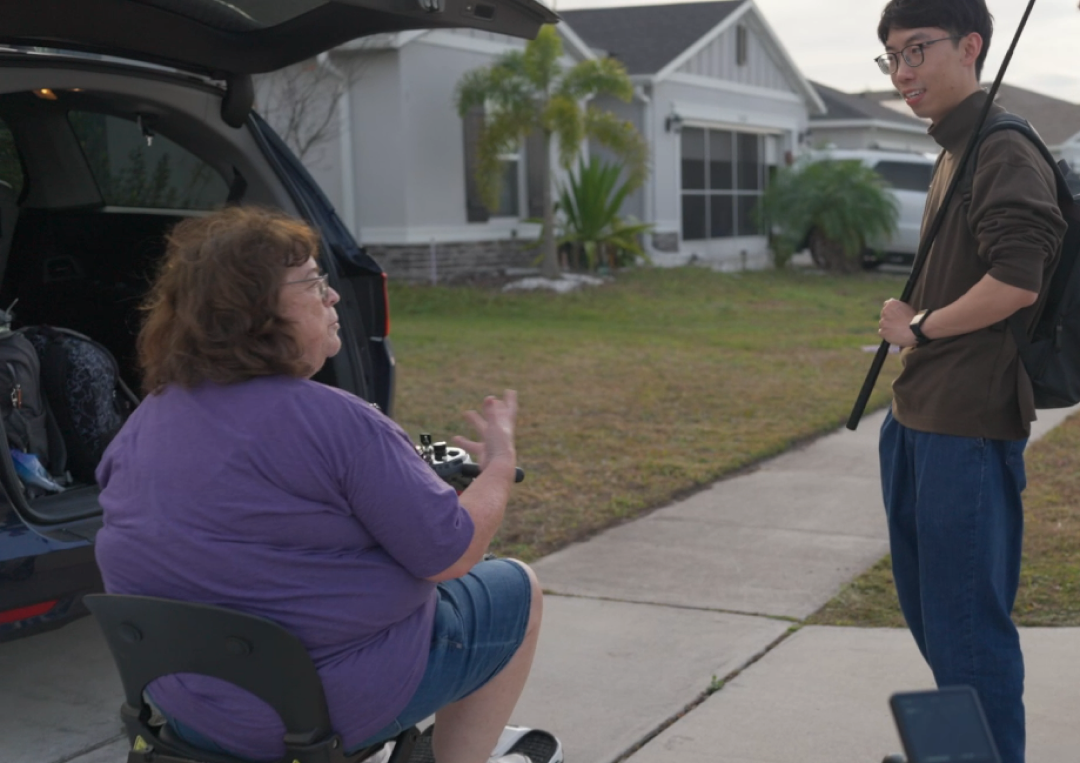
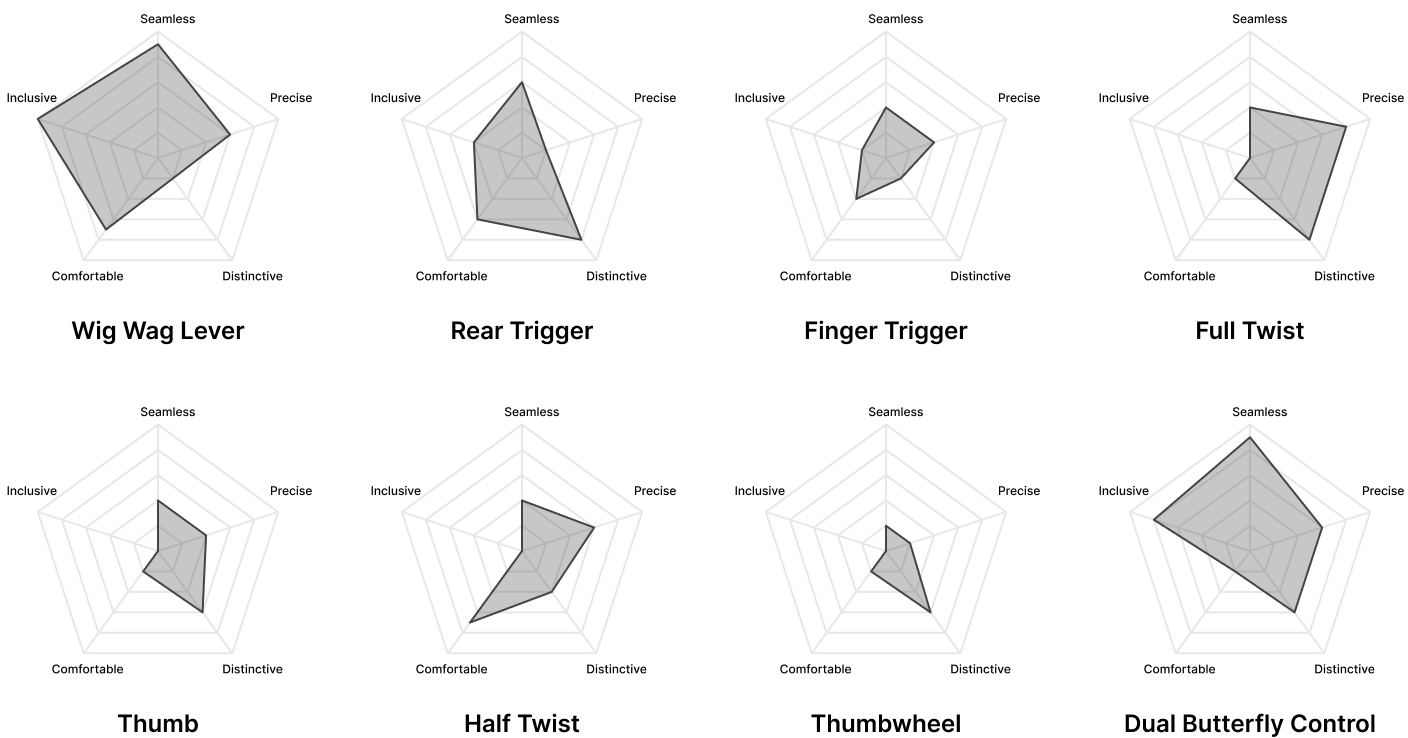
Research revealed five qualities needed to make driving more intuitive and inclusive while giving the scooter a smarter product character.
Research
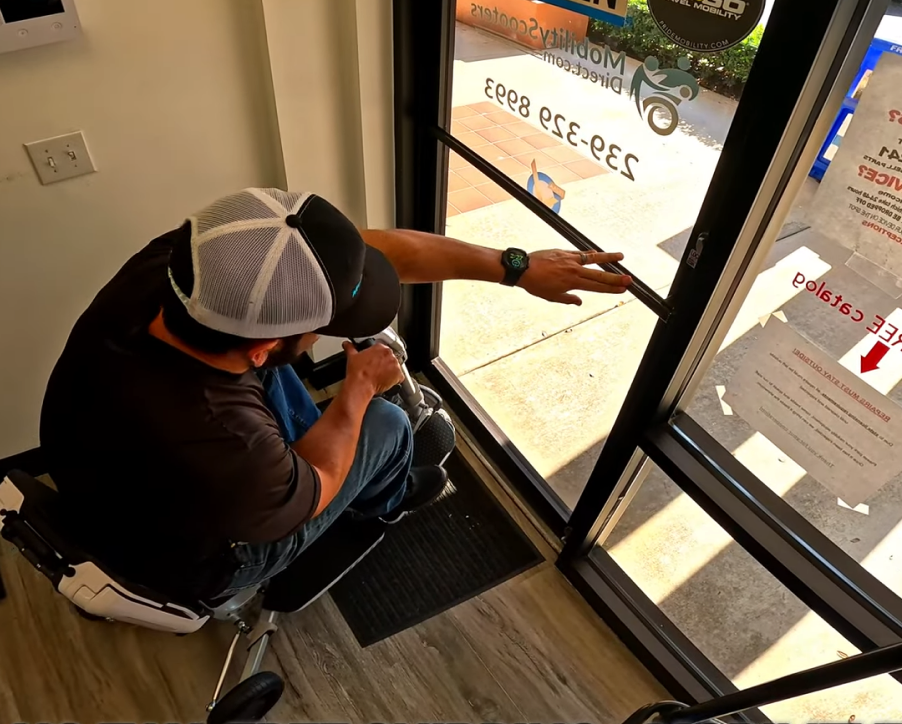
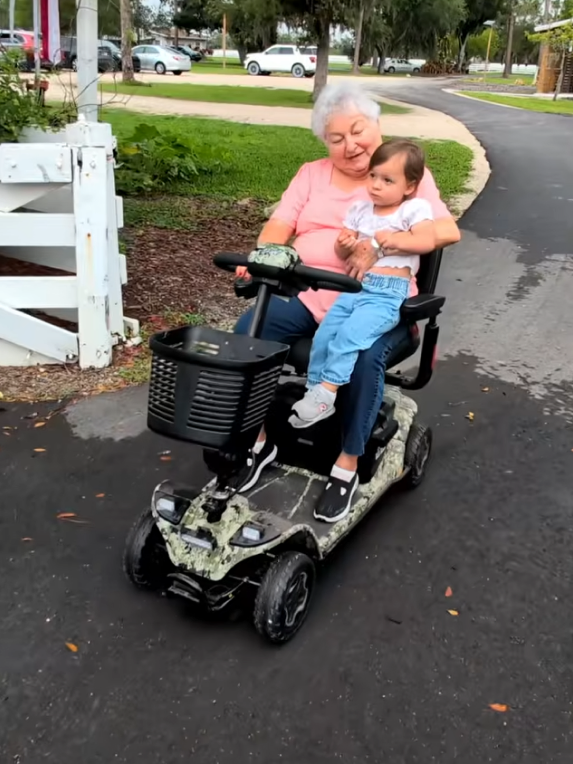
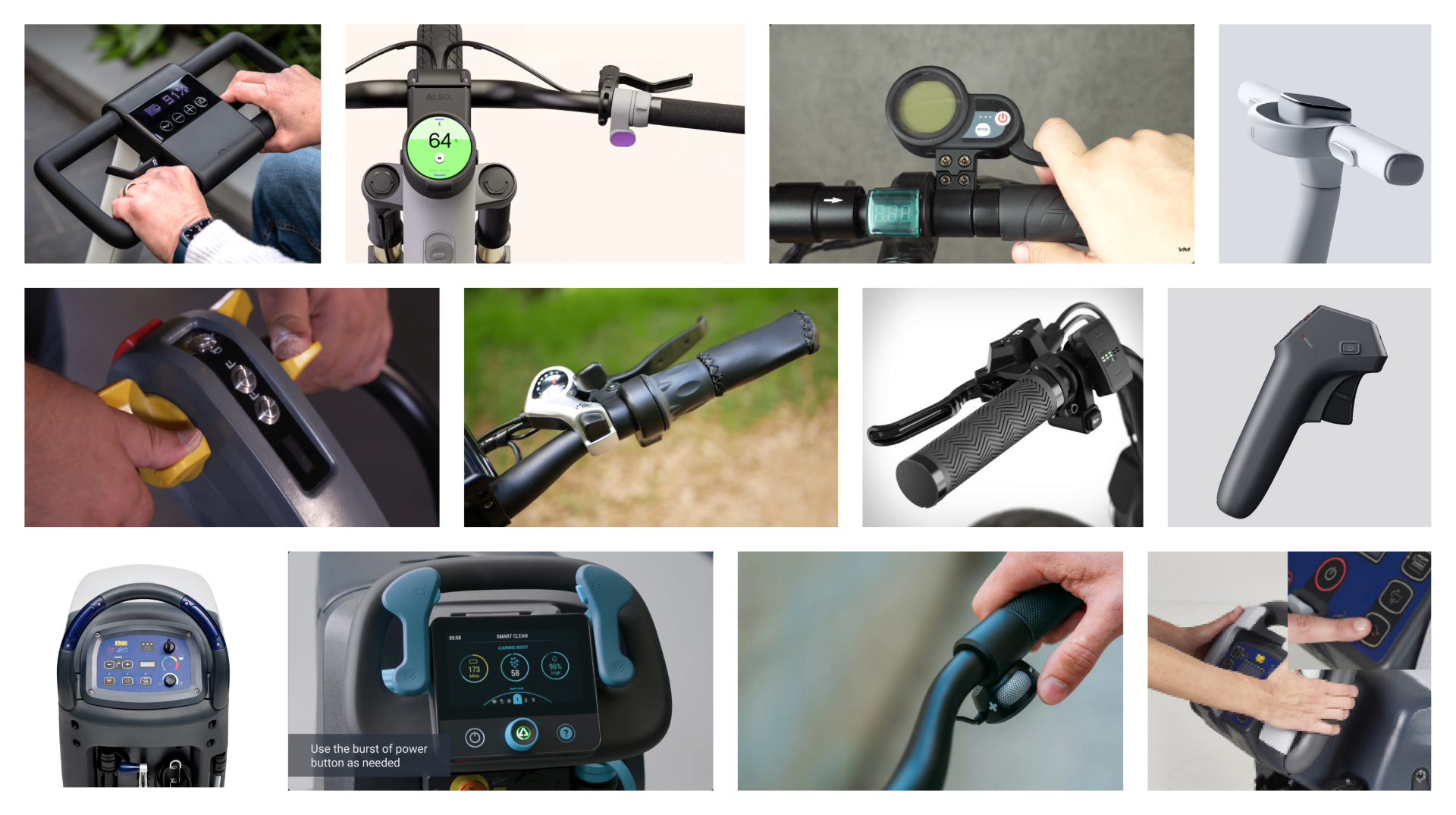
To look beyond conventional scooter controls, I studied input methods across mobility products, e-bikes and industrial equipment. This gave me a broader library of interaction principles based on different hand positions, movements and levels of effort.
I evaluated each control type against the five design criteria to reveal its strengths and tradeoffs. Rather than choosing an existing solution, I used the comparison as an opportunity to combine complementary qualities and generate new directions, such as creating something that combines the inclusivity of a wig wag lever with the distinctive character of thumb control.
Ideation & Prototype
For the ideation phase, the exploration deliberately went broad. Twelve concepts were mapped by control input method and hand use flexibility. Six met at least one priority, while C10 alone met both. Its four bar linkage kept the wig wag lever moving linearly without rotating, so it became the first exploratory prototype while all six remained open for iteration.
| Thumb | Index finger | Wrist | Palm | Four fingers | Multiple inputs | |
|---|---|---|---|---|---|---|
| Both hands required | C06 | |||||
| One hand possible | C02 C09 | C12 | C08 | C11 | C04 C07 | |
| Either hand without switching controls | C01 C05 | C03 | C10 |
*Concept geometry has been omitted for confidentiality.
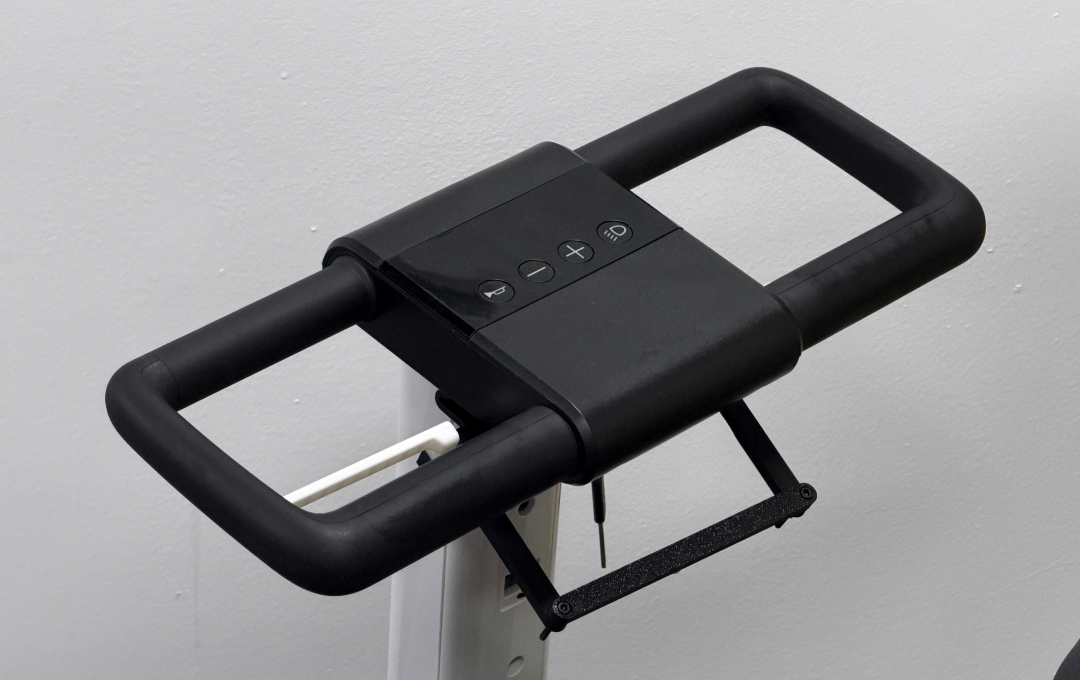
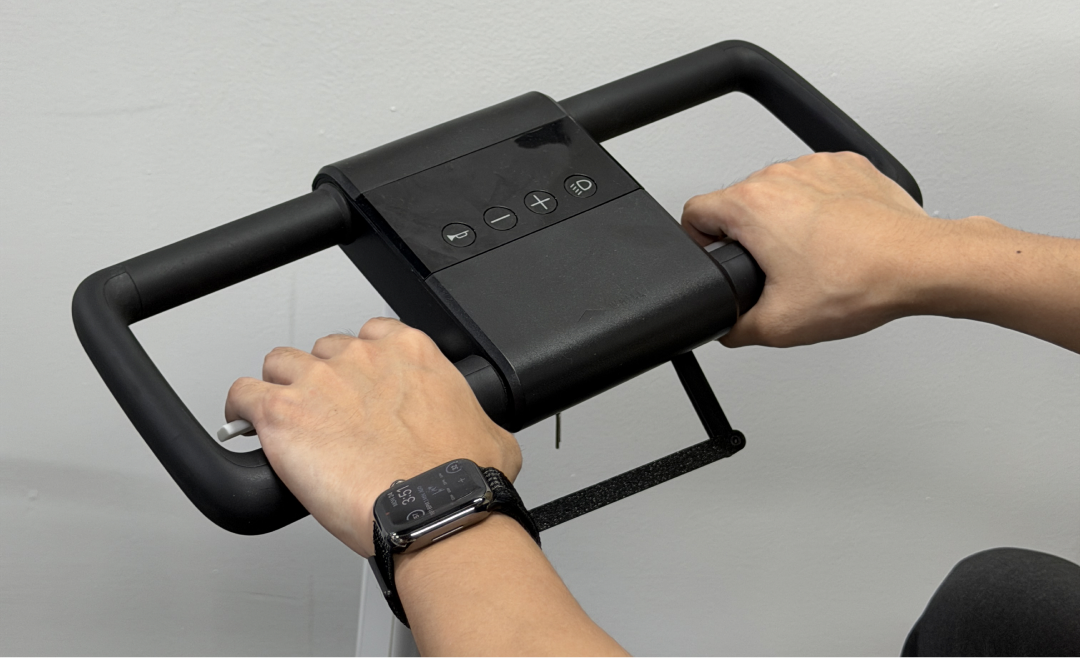
With no rideable prototype of our own platform, I fitted the mechanism to a WHILL Model R as a test mule. Installed on the scooter, the prototype kept fingers clear of pinch points and distributed input across all four fingers. Initial handling suggested lower effort, while the linear motion gave the familiar wig wag interaction a more distinctive character.
Result
The project concluded at the exploratory prototype stage when the development brief shifted from scooter to wheelchair controls. It left a reusable evaluation framework, six promising directions for future development and a physical proof of concept for the linear wig wag interaction.