Designing ev¹’s Sound System
How might we make a product sound as considered as it looks, using a speaker that was never built for it?
The sounds on ev¹, the horn and the interface tones, had been picked from an online effects library, because at the time nobody on the team could make or tune them. After the product shipped, users told us some of them were harsh. For a product with a carefully considered visual language, and one that depends on users trusting it, that was worth fixing properly rather than swapping one library file for another.
I had some background in remixing and mastering, so I took it on myself. I researched and defined the sound system, designed the effects, and delivered them as an update to every ev¹ in the field.
Scope of the project
Sonic branding works best as a system, in the same way visual identity does. A full one usually includes a sonic strategy, a sonic logo, a set of reusable audio components and the effects themselves. That was more than we had the resources or the experience to build, so I proposed a minimum viable version instead. Define a basic sonic foundation, meaning the instruments and textures everything would be built from, then design and implement the essential effects directly on the chair.
I went through every feature and interaction on ev¹ and drew up the list of effects we needed. Too few and some features become hard to tell apart. Too many and people stop being able to read them. The final list came to twelve sounds.
The goal & constraint
The sounds needed to help people feel confident and in control, stay comfortable to have around other people, and build trust in the product rather than draw attention to it.
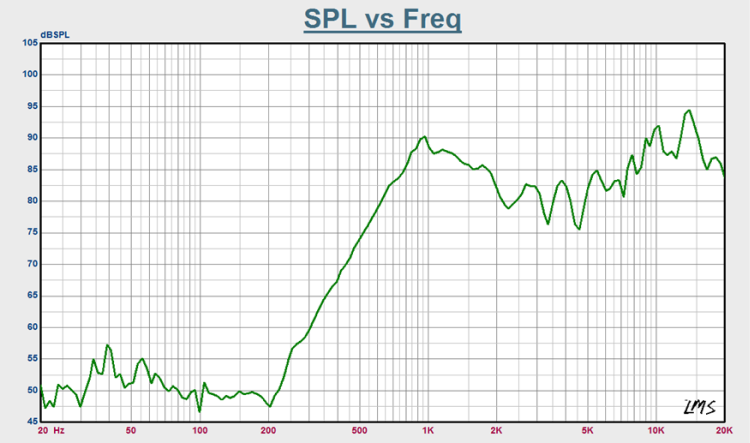
The speaker was never meant for this. It is not a hifi component, and its output drops away as frequency falls, with a lower limit somewhere around 200 to 400 Hz. That removes most of the low end that gives a sound its weight and steadiness. The same file can sound completely different in headphones and on the chair.
Research and ideation
Sonic systems across automotive, micromobility and consumer technology were studied, including Rivian, Tesla, Lucid, VanMoof, Square and Bose. The aim was to understand how timbre, pitch, repetition and musical structure can connect individual sounds into a coherent product experience.
The 11 sounds were then mapped across two dimensions. This separated sounds intended to communicate brand character from those prioritising immediate functional recognition, while ensuring they still belonged to one system.
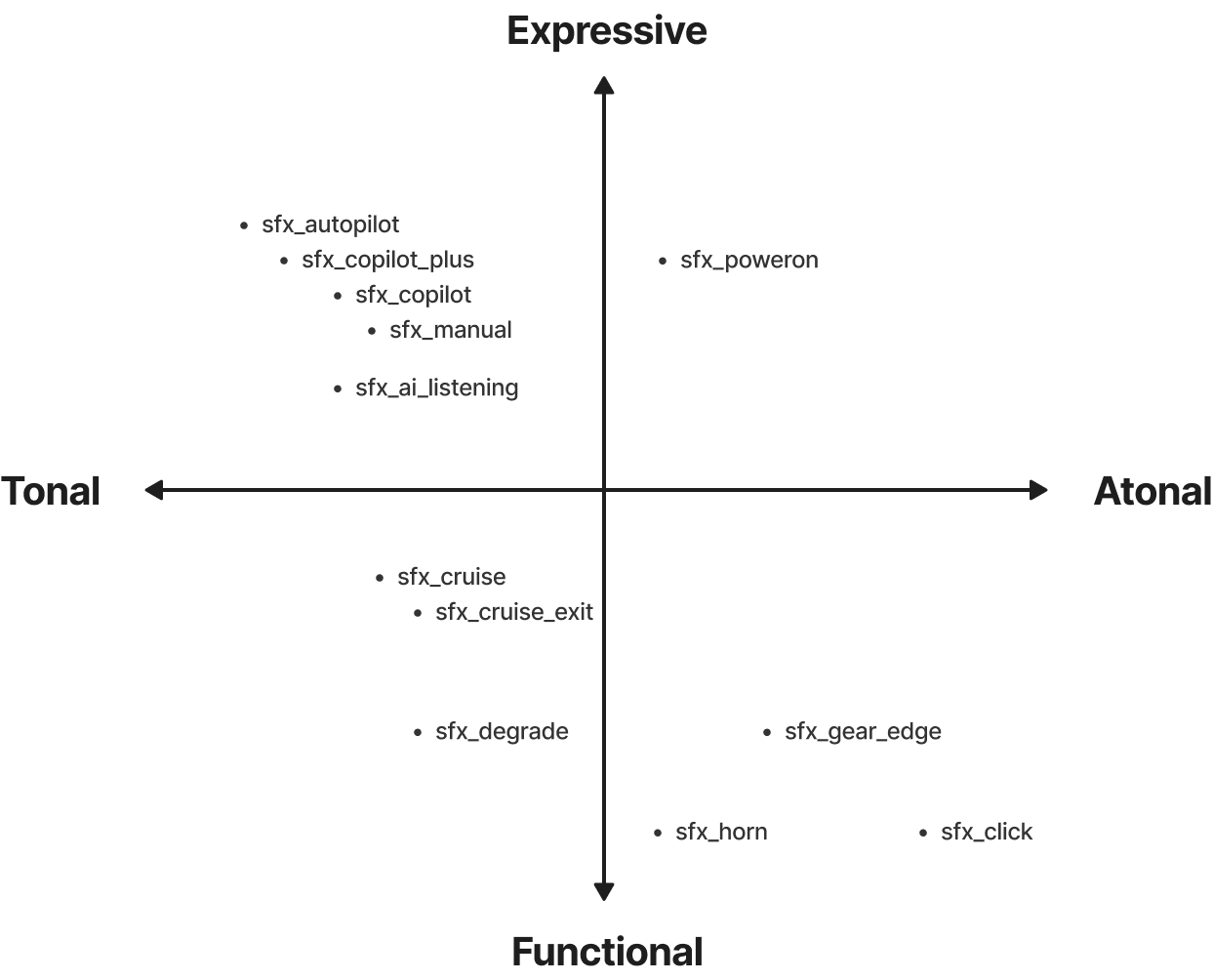
For the foundation itself I developed four directions, each with conceptual sounds to test the feeling.
- Reliable, strong, intelligent. Viola and piano, weighted to low and middle registers with steady harmonics. Steady, calm, clean, gentle.
- Friendly, forgiving, caring. Guitar pluck and piano, middle register with bright harmonics. Warm, soft, harmonious.
- Freedom, motion, fun. Marimba and bright bell, middle to high harmonics. Light, lively, open.
- Modern, technical, performance. Purely synthesised, low to middle register, minimal and clean.
Comparative review identified direction 4 as the closest fit for ev¹. The other directions introduced useful emotional qualities, but their acoustic, classical or airy character felt less consistent with the product’s modern and performance led identity.
Develop & iterate
I started with the power on sound, which carried the most weight since it sets the tone for everything after it. Four concepts, and concept two was chosen for feeling clean and crisp.
The manual, Co-pilot, Co-pilot+ and autopilot sounds came next. These modes are the product’s most important features and they behave very differently, so they had to be easy to tell apart. I used a saw wave close to the power on sound as a shared base, then a bell like sine with an arpeggiator and a chord at a different pitch for each mode. The smarter the mode, the more complex and brighter the sound.
Functional sounds followed the requirements of each interaction. The interface click used filtered white noise to reproduce the dry, immediate response of a physical switch. For the horn, an accelerating piano like arpeggio created an escalating alert while avoiding the aggressive character of a conventional horn.
Tuning through the product
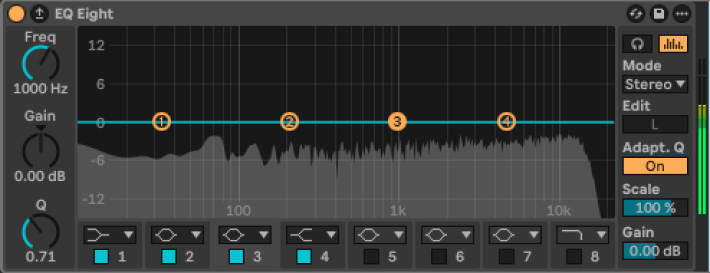
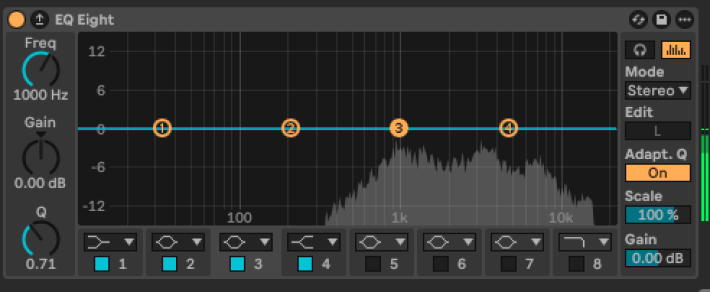
Early mixes sounded balanced through headphones but changed significantly through the onboard speaker. Low frequencies disappeared, while distortion introduced harsh upper harmonics, particularly at maximum volume.
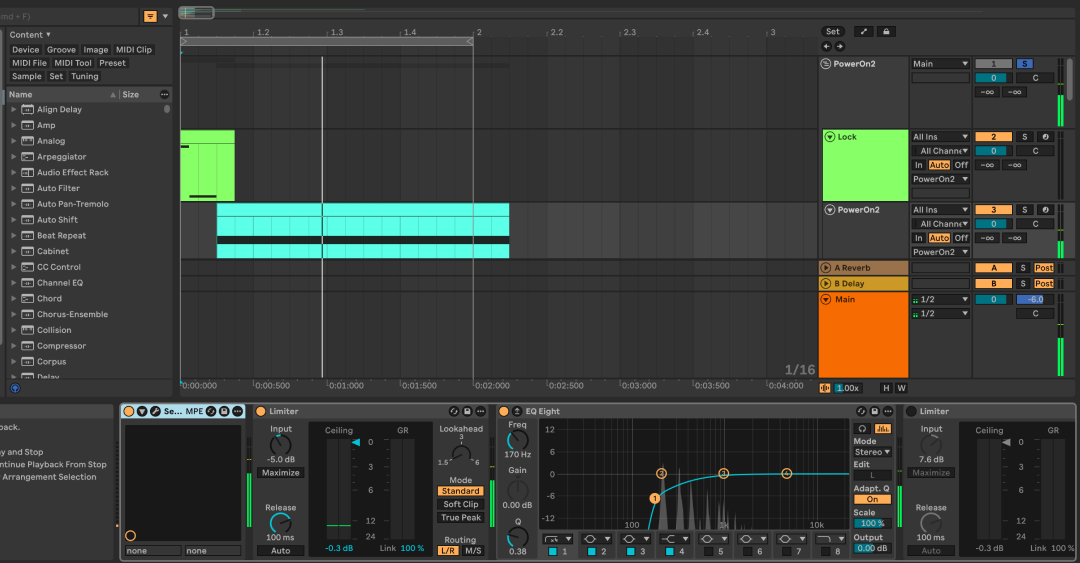
Each cue was therefore iterated through the actual hardware. Multiple stages of equalisation and compression were used to reduce distortion and preserve clarity across operating volumes. The resulting masters could sound unconventional through headphones, but were deliberately optimised for the real product.
Outcome
The final sound effects were delivered and released to ev¹ devices in markets worldwide. The project replaced disconnected library assets with a coherent sound system shaped around brand character, functional clarity and the physical limitations of the hardware.